Tree Risk Assessment for Commercial Properties: Protecting People, Property, and Your Bottom Line
A single failed tree limb over a parking lot or walkway can turn into an injury claim, property damage, and a liability headache that dwarfs the cost of prevention. Tree risk assessment for commercial property is how proactive owners get ahead of that risk. This guide is written for HOA boards, commercial property managers, municipalities, and school and facility directors across the Southeast, where hurricanes, heat, and drought put trees under constant stress. You will learn what a professional assessment includes, the recognized ISA process behind it, who needs one and when, the liability stakes of neglect, and how findings translate into action. The goal is simple: fewer surprises, lower risk, and defensible documentation.
Key Takeaways
- Tree risk assessment for commercial property identifies hazardous trees before they fail, reducing injury and liability exposure.
- The International Society of Arboriculture offers the Tree Risk Assessment Qualification (TRAQ), the industry-standard credential.
- Assessments are recommended annually and after major storms, drought, and before construction.
- Property owners have a duty of care to maintain trees in areas where people and property are present.
- Findings guide targeted action: pruning, cabling, monitoring, or removal, per ANSI A300 standards.
Why Tree Risk Assessment Is a Commercial Priority
Trees are assets that add value, shade, and appeal to commercial properties. They are also living structures that decay, get damaged, and eventually fail. On a commercial site with people, vehicles, and buildings nearby, a failing tree is not just a landscaping issue, it is a safety and financial liability.
The Southeast intensifies the risk. Hurricanes and tropical storms load trees with extreme wind, heat and drought stress weakens them, and the region’s long growing season produces large canopies over parking lots, walkways, and amenity areas. A proactive arbor and tree care program built around regular assessment is the most cost-effective way to manage that exposure.
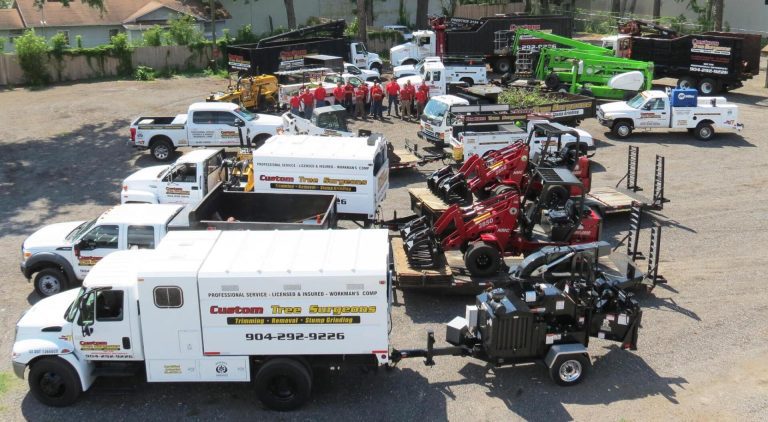
United Land Services employs certified arborists across its 6-state footprint, giving property managers access to professional evaluation backed by top-20 national resources. Tree care is one of the company’s deepest areas of expertise.
What a Professional Tree Risk Assessment Includes
A credible assessment is a structured evaluation, not a casual glance. Arborists trained in the International Society of Arboriculture’s TRAQ methodology follow a consistent process to evaluate the likelihood of failure, the likelihood of hitting a target, and the consequences.
Levels of Assessment
- Level 1, limited visual: a walk-by or drive-by scan of a population of trees to flag obvious problems across a large property.
- Level 2, basic assessment: a detailed, 360-degree ground inspection of individual trees, including the root collar, trunk, and canopy. This is the standard commercial assessment.
- Level 3, advanced assessment: specialized techniques and tools to investigate specific concerns identified at Level 2, such as internal decay.
What the Arborist Evaluates
The assessment examines tree biology and structure alongside the surroundings: signs of decay and cavities, cracks and weak branch unions, root and soil conditions, lean and canopy balance, deadwood, and pest or disease indicators. Just as important is the target zone, meaning what would be struck if the tree or a limb failed, such as pedestrians, parked cars, or a building.
The Role of TRAQ and Standards
The ISA Tree Risk Assessment Qualification, or TRAQ, establishes a systematic method for evaluating and communicating tree risk. Corrective work is guided by ANSI A300 standards, the national consensus standards for tree care operations, which cover pruning, support systems, and management practices. Working to these standards produces defensible, professional recommendations.
Who Needs an Assessment, and When
Not every property faces the same risk, but any commercial site with trees near people or structures should have a program.
Who Should Schedule Assessments
- HOAs and community associations with common-area trees near homes, streets, and amenities
- Commercial properties with trees over parking lots, walkways, and buildings
- Municipalities and parks with public-use areas
- Schools, campuses, and institutional facilities
When to Schedule
- Annually, as a baseline for proactive management
- After major storms, since hurricanes and high winds cause hidden structural damage
- After drought, which stresses roots and canopies and can trigger delayed decline
- Before construction, to protect trees from grading, trenching, and soil compaction and to assess trees near work zones
Timing assessments to the Southeast calendar matters. Scheduling structural work and hazard evaluation in the dormant season and before hurricane season, which the National Hurricane Center defines as June 1 through November 30, gets the highest-risk trees addressed before storms arrive. This coordinates naturally with a year-round maintenance program.
The Liability and Financial Case
The strongest argument for assessment is not the tree, it is the balance sheet and the duty of care.
Duty of Care and Negligence
Property owners generally have a legal duty of care to maintain their premises in a reasonably safe condition, and that extends to trees in areas where people and property are present. When a known or reasonably knowable hazard causes injury or damage, an owner who failed to inspect and act can face negligence claims. Documented, regular assessments demonstrate that an owner exercised reasonable care.
The Cost of Inaction
The Insurance Information Institute notes that fallen trees and limbs are a common source of property damage claims. When a tree fails on a commercial property, the costs stack up fast: emergency removal, property repair, business interruption, potential injury liability, and higher insurance exposure. A scheduled assessment and preventive pruning cost a fraction of a single failure event.
Insurance and Documentation
Many insurers expect commercial owners to maintain their grounds, and documented assessments support claims and defense alike. A professional report creates a paper trail showing the property was actively managed, which protects the owner if a failure still occurs despite reasonable care.
From Findings to Action
An assessment is only valuable if it leads to the right response. Findings sort trees into management categories.
| Finding | Typical Action |
|---|---|
| Sound tree, low risk | Routine monitoring on schedule |
| Deadwood or minor defects | Corrective pruning per ANSI A300 |
| Weak unions or heavy limbs | Cabling, bracing, or structural pruning |
| Significant decay or structural failure | Removal to eliminate the hazard |
| Uncertain internal condition | Advanced (Level 3) assessment |
Certified arborists prioritize the least-invasive effective action. Removal is a last resort reserved for trees that cannot be made reasonably safe. This measured approach preserves valuable canopy while eliminating genuine hazards. To see the scale at which United Land Services manages tree care across commercial and community properties, review the project portfolio and company background.
Frequently Asked Questions
How often should commercial properties have a tree risk assessment?
An annual assessment is a sound baseline for most commercial properties, HOAs, and municipalities with trees near people or structures. Additional assessments should follow major storms, drought stress, and before any construction near trees. High-traffic areas with large mature trees over parking or walkways may warrant more frequent evaluation given the higher target exposure.
What is a TRAQ tree risk assessment?
TRAQ stands for Tree Risk Assessment Qualification, a credential and methodology from the International Society of Arboriculture. It provides a systematic process for evaluating the likelihood of tree failure, the likelihood of striking a target, and the consequences, then communicating that risk consistently. Hiring a TRAQ-qualified arborist ensures the assessment follows recognized professional standards.
Is a property owner liable if a tree falls and causes injury?
Property owners generally have a duty of care to keep their premises reasonably safe, which includes trees in areas where people and property are present. If a known or reasonably discoverable hazard causes harm and the owner failed to inspect or act, negligence liability can follow. Documented regular assessments demonstrate reasonable care and help protect owners.
What happens after a tree risk assessment finds a problem?
Findings guide targeted action. Minor issues like deadwood are addressed with corrective pruning under ANSI A300 standards. Structural weaknesses may call for cabling, bracing, or structural pruning. Trees with significant decay or failure risk are removed. When internal condition is uncertain, an advanced assessment investigates further before deciding on treatment.
Do I need an assessment before construction near trees?
Yes. Construction activity such as grading, trenching, and soil compaction can damage roots and destabilize nearby trees, sometimes causing failure months or years later. A pre-construction assessment identifies trees at risk, establishes protection zones, and flags any that pose a hazard to the work area, preventing costly surprises during and after the project.
Conclusion
Tree risk assessment for commercial property is proactive risk management that protects people, buildings, and the bottom line. A structured evaluation using the ISA TRAQ methodology, scheduled annually and after storms, drought, and before construction, identifies hazards before they fail and creates the documentation that demonstrates an owner’s duty of care. In the storm-prone Southeast, where a single tree failure can trigger emergency removal, property damage, and liability claims, prevention is dramatically cheaper than the alternative. United Land Services deploys certified arborists across 6 states with top-20 national resources. To protect your property and reduce liability, schedule a tree risk assessment with United Land Services.