


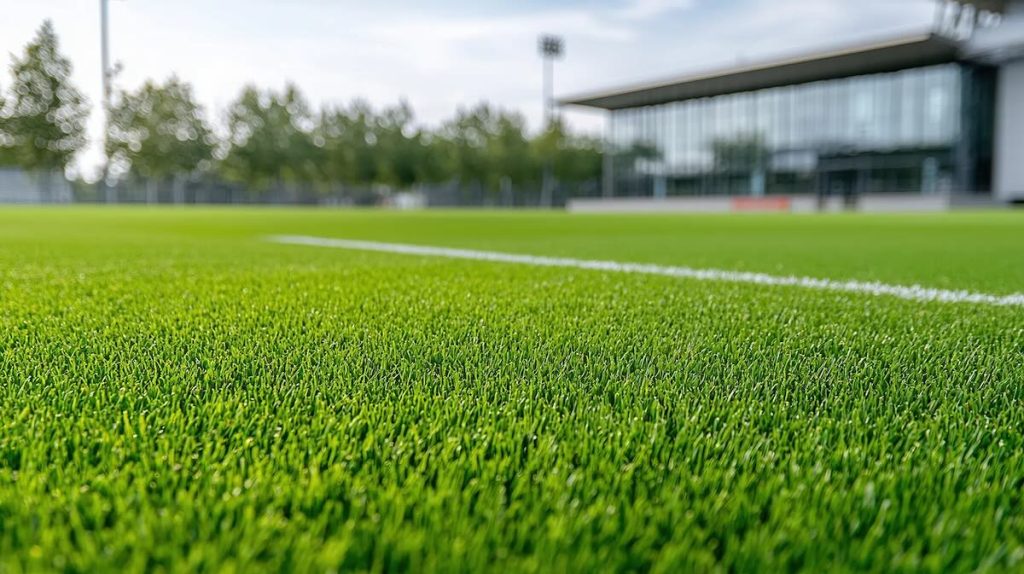
A well-run commercial landscape maintenance schedule is the difference between a property that looks sharp all year and one that lurches from crisis to crisis. In the Southeast, where the growing season runs long and hurricane season overlaps peak growth, timing is everything. This month-by-month guide is written for HOA boards, commercial property managers, and facility directors across Florida, Georgia, Alabama, and the Carolinas. You will get a practical calendar covering turf, trees and shrubs, irrigation, seasonal color, and storm preparation, plus notes on where Florida’s climate diverges from the more seasonal Carolina and Georgia markets. Bookmark it and use it to hold your provider accountable.
Key Takeaways
- A strong commercial landscape maintenance schedule aligns turf, tree, irrigation, and color tasks with the Southeast’s long growing season.
- Hurricane season runs June 1 through November 30, per the National Hurricane Center, and should drive tree-risk and drainage work in spring.
- Many Florida counties enforce summer fertilizer blackout periods, so nutrient timing is regulated, not optional.
- Warm-season turf is best fertilized during active growth from spring through early fall, not in winter dormancy.
- A full-service provider keeps all 12 months coordinated so nothing falls through the cracks.
Why a Year-Round Schedule Matters in the Southeast
The Southeast’s climate is a double-edged sword. A long growing season means lush landscapes, but it also means near-constant mowing, aggressive weed pressure, year-round pest activity, and a hurricane season that collides with peak growth. Without a structured year-round maintenance program, tasks get reactive and expensive.
Regulation adds another layer. Many Florida counties enforce summer fertilizer restrictions, and water management districts set watering-day limits. A calendar-driven approach keeps a property compliant while it keeps it beautiful.
United Land Services manages this cycle across 30-plus branches in 6 states, including large master-planned communities such as Heathrow Master Association’s 2,300 acres. The schedule below reflects how we sequence work across a Southeast year. Florida-specific notes are called out where the Gulf and peninsula climate differs from the more seasonal upper-Southeast markets.
Winter: December, January, February
Winter is the planning and structural-work season. Warm-season turf slows or goes dormant, which makes it the ideal window for tasks that are disruptive during active growth.
Turf and Lawn Care
- Mow less frequently as warm-season grasses slow; keep blades sharp for clean cuts.
- Control winter weeds; pre-emergent timing in late winter sets up spring.
- In North Florida, Georgia, and the Carolinas, watch for frost and hold off on stimulating growth before the last freeze.
Trees, Shrubs, and Planning
- Winter is prime time for structural pruning of many dormant deciduous trees and shrubs.
- Conduct annual tree risk assessments and plan removals before spring growth.
- Finalize the year’s budget and enhancement plan.
Our certified arborists and arbor care team use the dormant window for the structural pruning that keeps trees healthy and reduces storm risk later.
Spring: March, April, May
Spring is the busiest ramp-up of the year. Growth accelerates, and everything from fertilization to irrigation calibration happens now to set up the whole season.
Turf and Fertilization
- Begin the fertilization program as warm-season grasses enter active growth. Warm-season turf responds best to feeding during active growth in spring through early fall, per University of Florida IFAS Extension guidance.
- Apply pre-emergent and post-emergent weed control as needed.
- Resume regular mowing at the recommended height for the turf species.
Irrigation Startup and Audit
- Inspect and calibrate the full irrigation system before summer demand.
- Check controllers, sensors, and heads; repair leaks and misaligned zones.
- A spring irrigation audit prevents wasted water and dry spots during peak heat.
Pre-Hurricane Preparation
The National Hurricane Center defines Atlantic hurricane season as June 1 through November 30, so spring is the time to prepare. Schedule structural tree pruning, remove deadwood and hazard limbs, and verify drainage before storms arrive. This is the single most important proactive step for Southeast commercial properties.
Summer: June, July, August
Summer is peak growth and peak stress. Heat, humidity, afternoon storms, and pest pressure all spike, and hurricane season is underway.
Turf and Pest Management
- Mow frequently; growth is at its fastest.
- Monitor for chinch bugs, armyworms, and fungal disease, which thrive in Southeast heat and humidity.
- Florida-specific: many counties enforce summer fertilizer blackout periods, typically June through September, restricting nitrogen and phosphorus applications. Confirm local rules and adjust nutrient timing accordingly.
Irrigation and Water Management
- Adjust irrigation for peak demand while respecting local watering-day restrictions.
- Water deeply and less frequently to encourage deep roots.
- Watch for signs of both drought stress and overwatering.
Hurricane Response Readiness
Keep a storm-response plan active. Before named storms, secure loose materials and complete any remaining hazard pruning. After a storm, prioritize emergency tree work and debris clearing. A provider with regional crews can mobilize across markets when a storm hits.
Fall: September, October, November
Fall transitions the landscape toward dormancy in the upper Southeast while Florida keeps growing. It is also the tail of hurricane season and the setup for winter color.
Turf and Fertilization
- Apply late-season fertilization where regulations allow and turf is still actively growing.
- Continue weed control; fall pre-emergent targets winter annual weeds.
- Begin reducing mowing frequency as growth slows in cooler markets.
Seasonal Color and Aeration
- Install cool-season annual color for fall and winter interest at entrances and amenity areas.
- Aerate compacted turf areas to improve root health going into the cooler season.
- Refresh mulch to conserve moisture and maintain a clean, professional look.
End-of-Season Storm Watch
Hurricane season does not end until November 30, so keep monitoring and complete any deferred tree work before winter. Document any storm damage for insurance while it is fresh.
Month-by-Month Quick Reference
| Season | Turf Focus | Tree & Shrub Focus | Irrigation | Seasonal/Storm |
|---|---|---|---|---|
| Winter (Dec-Feb) | Reduce mowing, winter weeds | Structural pruning, risk assessment | Winter checks | Plan and budget |
| Spring (Mar-May) | Fertilize, pre-emergent | Deadwood removal | Startup & audit | Pre-hurricane prep |
| Summer (Jun-Aug) | Frequent mowing, pest control | Monitor for stress | Peak demand, restrictions | Storm readiness |
| Fall (Sep-Nov) | Late fertilization, aeration | Deferred pruning | Reduce watering | Fall color, storm watch |
This cadence keeps turf, trees, water, and color coordinated across an entire property or portfolio. To see how we apply it at scale, review our project portfolio and locations across 6 states.
Frequently Asked Questions
When should commercial turf be fertilized in the Southeast?
Warm-season grasses common across the Southeast are best fertilized during active growth, from spring through early fall, according to University of Florida IFAS Extension guidance. Avoid feeding dormant winter turf. In Florida, be aware that many counties enforce summer fertilizer blackout periods, so nutrient timing must comply with local ordinances as well as agronomic best practice.
When does hurricane season affect landscape maintenance?
The National Hurricane Center defines Atlantic hurricane season as June 1 through November 30. Proactive tree pruning, deadwood removal, and drainage checks should be completed in spring, before the season begins. During the season, properties should keep a storm-response plan active and complete any deferred hazard tree work promptly.
How often should commercial properties be mowed?
Mowing frequency changes with the season. During summer peak growth in the Southeast, weekly or more frequent mowing is common, while winter dormancy in cooler markets may require little or none. The right height and frequency depend on the turf species. A calendar-based maintenance program adjusts frequency automatically through the year.
Do Florida fertilizer rules really restrict summer applications?
Yes. Many Florida counties and municipalities enforce summer fertilizer blackout periods, commonly June through September, that restrict nitrogen and phosphorus applications to reduce nutrient runoff into waterways. Rules vary by jurisdiction, so a knowledgeable provider confirms local ordinances and adjusts the nutrient schedule to stay compliant while keeping turf healthy.
What is the benefit of a year-round maintenance contract?
A year-round contract ensures every seasonal task, from spring irrigation audits to fall aeration and hurricane-season tree work, happens on schedule rather than reactively. It keeps the property compliant with fertilizer and water rules, spreads cost predictably across the year, and holds a single provider accountable for consistent quality on all 12 months of the cycle.
Conclusion
A disciplined commercial landscape maintenance schedule turns the Southeast’s demanding climate from a liability into an advantage. Structural pruning in winter, fertilization and irrigation audits in spring, pest and storm readiness in summer, and color and aeration in fall keep a property sharp and compliant year-round. Layer in Florida’s fertilizer blackout periods and a hurricane season that runs June through November, and it becomes clear why timing matters so much. United Land Services coordinates all 12 months across 6 states with top-20 national resources and Southeast climate expertise. To put a reliable year-round maintenance schedule to work on your property, request a proposal from United Land Services.