Commercial Landscape Maintenance Cost: A 2026 Budget Guide
Every property manager wants the same answer: what should commercial landscape maintenance cost in 2026? The honest reply is that pricing depends on a handful of clear factors, not a single number. Property size, service scope, climate, and contract structure all shape the final figure. This guide breaks down those factors so you can build a realistic budget for your HOA, office complex, retail center, or multi-family property. We will cover average ranges by property type, what should be included in a contract, the line items that often surprise new buyers, and how Southeast climate conditions affect commercial landscaping pricing across Florida, Georgia, and the Carolinas.
What Drives Commercial Landscape Maintenance Cost
Pricing for commercial landscape work is built from the ground up. A good proposal reflects the real labor, equipment, materials, and risk involved on your specific site. Understanding these inputs helps you compare bids fairly and avoid the lowball quotes that lead to mid-year surprises.
The Core Pricing Factors
Most commercial landscape maintenance contracts price on a combination of these inputs:
- Property size and turf area. More acreage means more mowing hours, more fuel, and more crew time.
- Service frequency. Weekly mowing in the growing season costs more than biweekly. Year-round service costs more than seasonal.
- Scope of services. A bundled contract covering mowing, fertilization, irrigation checks, pest control, seasonal color, and tree care prices differently from a mowing-only deal.
- Site complexity. Slopes, narrow walks, dense plant beds, fenced sections, and gated access all slow crews down.
- Geographic region. Labor rates and fuel costs vary by metro market.
- Plant material and bed maintenance. Properties heavy on shrubs, ornamentals, and seasonal color need more skilled hours.
- Reporting and communication needs. Detailed monthly reports, site walks, and dedicated account managers add value and cost.
A reputable provider will walk your site before quoting. If a vendor sends a price without seeing the property, treat that as a red flag.
Climate and the Southeast Premium
Southeast properties carry climate-driven costs that northern markets do not. The growing season runs nearly year-round in Florida, which means more mowing cycles. Hurricane season requires preventive tree work and post-storm cleanup capacity. Humidity drives faster fungal pressure on turf, which means more proactive treatment. Sandy and clay soils across the region need specific fertilization programs. These factors push Southeast commercial landscaping pricing slightly above national averages, but they also make consistent, professional commercial landscape maintenance more important here than almost anywhere else in the country.
Average Cost Ranges by Property Type
The numbers below reflect general 2026 ranges for full-service commercial landscape maintenance contracts in the Southeast. Treat them as planning guides, not quotes. Your actual proposal will reflect your specific site.
HOA and Master-Planned Communities
Large HOAs and master-planned communities typically budget between $50,000 and $400,000 per year for landscape maintenance, with master associations on hundreds of acres often exceeding that range. Per-acre pricing for HOAs in the Southeast generally falls between $2,500 and $6,000 per acre per year for full-service contracts that include common-area mowing, bed maintenance, irrigation management, and seasonal color. Communities with extensive tree canopies, water features, and amenity centers sit at the higher end.
Office Complexes and Corporate Campuses
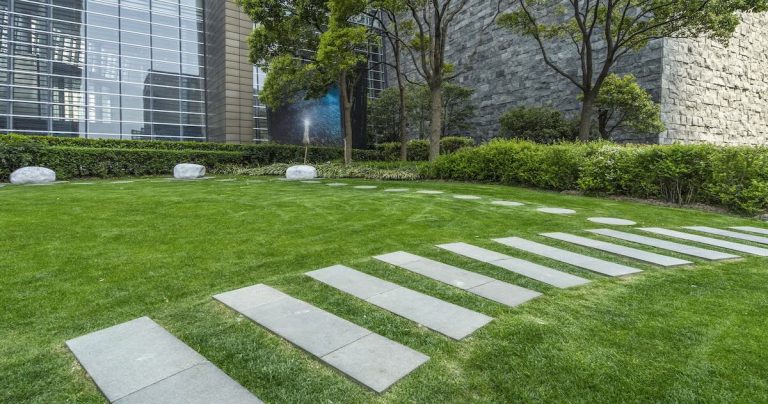
Class A office campuses with manicured entries, planted islands, and detailed bed work typically run $30,000 to $150,000 annually. Smaller suburban office parks may budget $12,000 to $30,000. Curb appeal matters here, so most owners choose weekly service in the growing season and biweekly in winter.
Retail Centers and Mixed-Use
Strip centers, lifestyle centers, and mixed-use properties often budget $15,000 to $80,000 per year. Anchor-tenant centers and lifestyle developments at the higher end usually include enhanced seasonal color rotations, outdoor lighting maintenance, and detailed entry features.
Multi-Family and Apartment Communities
Multi-family communities typically spend $20,000 to $120,000 per year, depending on unit count, amenity areas, and pool deck landscaping. Class A garden-style communities with resort amenities sit toward the top of that range.
Municipal and Sports Facilities
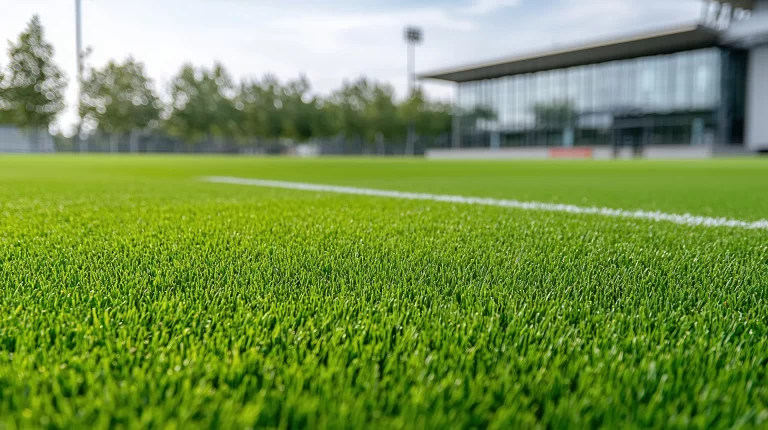
Public parks, school grounds, and athletic complexes vary widely. Sports field maintenance alone, with proper agronomic care for safe play, can run $8,000 to $40,000 per field per year depending on use intensity and turf type.
What a Full-Service Maintenance Contract Should Include
A clear scope is the most important part of any commercial landscape contract. Two proposals at the same price can hide very different deliverables. Before comparing numbers, compare scope.
Standard Inclusions
A solid full-service contract should cover:
- Mowing, edging, and trimming at defined frequencies
- Annual fertilization program with documented applications
- Pre-emergent and post-emergent weed control
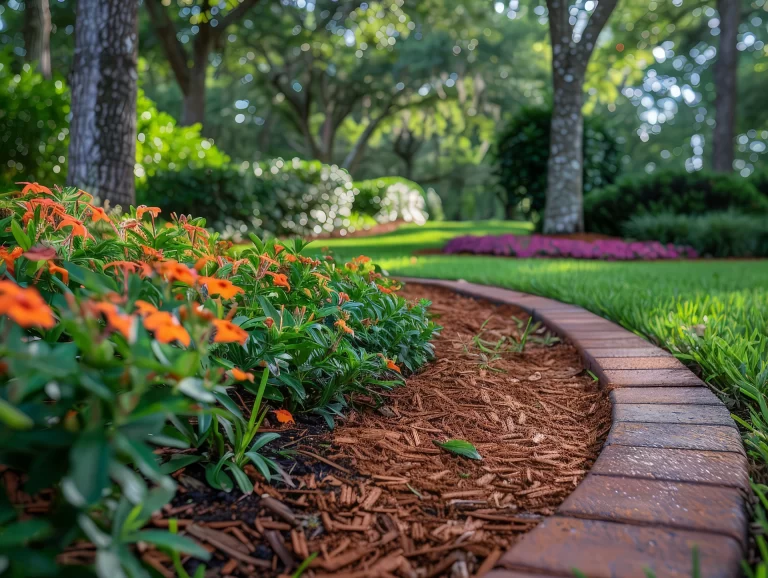
- Bed maintenance, mulch refresh, and pruning of shrubs
- Routine irrigation system checks and seasonal adjustments
- Pest and disease monitoring with treatment as needed
- Leaf and debris cleanup
- Seasonal color rotations (if specified)
- Reporting, site walks, and account management
Common Extras and Line Items
These items are often priced separately. Confirm what is included before signing:
- Tree work beyond minor pruning, including large arbor and tree care projects
- Irrigation repairs (parts and labor beyond basic adjustments)
- Storm cleanup and emergency response
- Sod replacement and turf renovation
- Pressure washing of hardscapes
- Annual flower installations beyond contract count
- Pesticide applications outside the standard program
Hidden Costs to Watch For
Some bids look low because they push real costs into change orders. Watch for vague scope language, unlimited “as-needed” exclusions, fuel surcharges, and aggressive auto-renewal terms with steep escalations. Ask every bidder for a written sample monthly report so you can see what accountability actually looks like.
How to Build a Smart 2026 Budget
A good budget process protects your property and your operating margin. The steps below help you avoid both underfunding and overpaying.
Start With a Site Assessment
Walk your property with a qualified provider. Document turf areas, bed counts, tree inventory, irrigation zone count, and amenity features. A clear baseline makes every proposal easier to compare.
Decide Service Frequency by Season
Southeast properties usually need weekly mowing from March through October and biweekly mowing from November through February. Confirm whether your contract uses that calendar or a 42-visit annual model.
Plan for Year-Over-Year Escalation
Labor costs continue to rise across the landscape industry. Build a 4 to 7 percent annual escalation into multi-year budgets. According to the National Association of Landscape Professionals, labor accounts for the largest share of industry cost increases.
Include a Reserve for Tree and Storm Work
Hurricane season requires capacity. Reserve 5 to 10 percent of your annual landscape budget for tree risk work, storm response, and preventive pruning. The International Society of Arboriculture recommends annual tree risk assessments for commercial properties as a baseline standard of care.
Bundle for Better Pricing
A single full-service provider can usually price below the combined cost of separate vendors for mowing, irrigation, tree care, and sod installation. One contract also simplifies accountability.
Common Questions About Commercial Landscape Maintenance Cost
Q: How much does commercial landscape maintenance cost per acre in 2026? A: Full-service contracts in the Southeast typically run $2,500 to $6,000 per acre per year, with HOAs at the lower end and detailed corporate campuses at the higher end. Site complexity and service frequency drive the variation.
Q: What is included in a basic commercial lawn care price? A: A basic price usually covers mowing, edging, trimming, and blowing. Fertilization, weed control, irrigation, and bed maintenance are often add-ons. Always confirm scope before comparing prices.
Q: How often should commercial landscape contracts be re-bid? A: Most property managers re-bid every three to five years, or when service quality slips. Frequent rebidding can disrupt site knowledge and increase total cost over time.
Q: Can I save money by hiring multiple specialty vendors instead of a full-service provider? A: Sometimes, but a full-service provider usually costs less in total because crews and equipment are shared across services. One vendor also reduces communication overhead and finger-pointing when issues arise.
Q: How much should an HOA budget for landscape maintenance? A: HOA landscape budgets in the Southeast usually fall between $2,500 and $6,000 per acre per year for common-area maintenance. Communities with water features, amenity centers, and extensive tree work should plan toward the higher end and add a reserve for tree risk and storm response.
Conclusion
Commercial landscape maintenance cost is not a mystery once you break it into its parts. Property size, service scope, frequency, climate, and site complexity drive every proposal. Southeast properties carry a small premium for year-round growing seasons and storm exposure, but they also benefit most from professional, consistent care. Build your 2026 budget on a real site assessment, a clear scope, and a reasonable annual escalation.
Reserve funds for tree work and storm response, and consider bundling services with a full-service provider for the best total value. United Land Services can help you benchmark your current spend and build a maintenance plan that fits your property. Contact us for a consultation to start your 2026 planning.