


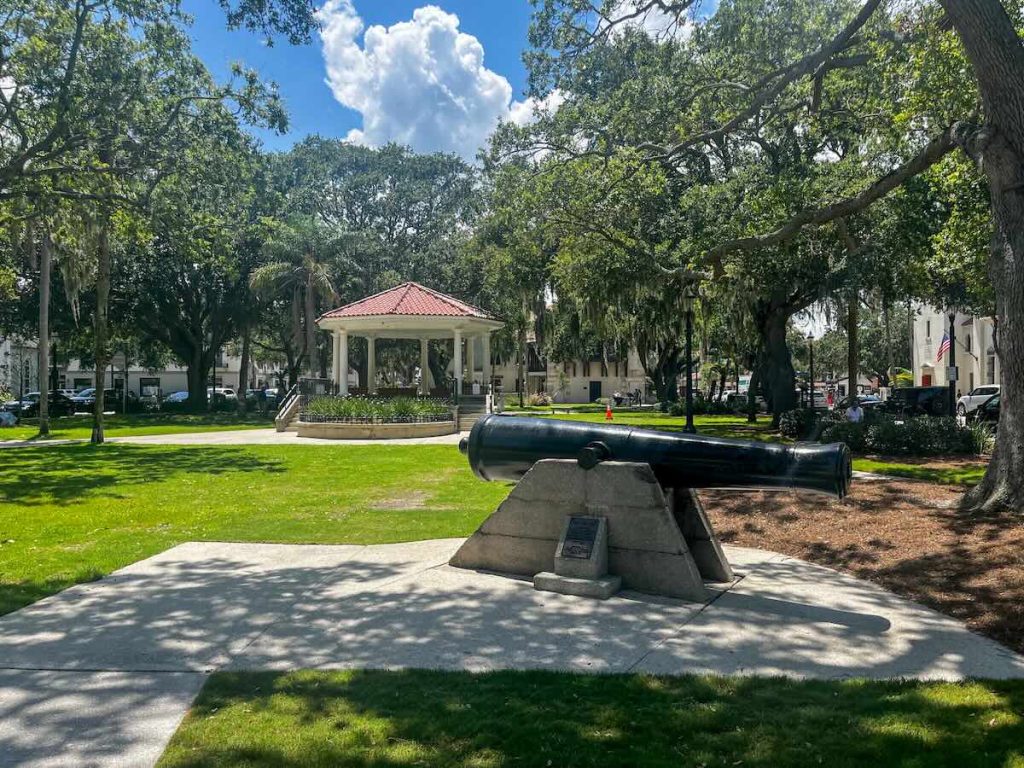
Commercial hardscape design is one of the highest-return upgrades a property manager can make, yet it is also one of the easiest to get wrong. Choose the wrong paver for a Florida parking court, and you could be re-laying it inside 5 years. Get the design right, and you add usable square footage, cut stormwater headaches, and raise perceived property value. This guide is written for HOA boards, commercial property managers, and developers across the Southeast who are weighing paver walkways, fire features, and outdoor living areas. You will learn how to select materials, plan for ADA compliance, manage stormwater, and understand realistic cost ranges before you request a single bid.
Key Takeaways
- Commercial hardscape design covers paver walkways, patios, retaining walls, outdoor kitchens, fire features, and seating areas built for high-traffic, code-compliant use.
- Material choice drives lifecycle cost: concrete pavers, natural stone, porcelain, and permeable pavers each suit different Southeast conditions.
- Permeable pavers can infiltrate 3 to 5 inches of rainfall per hour, easing stormwater compliance under EPA guidelines.
- ADA-compliant routes require firm, stable surfaces with a running slope no steeper than 1:20 and cross slope no steeper than 1:48.
- Quality commercial hardscape can return a meaningful share of its cost in property value and tenant appeal.
Why Commercial Hardscape Design Matters More Than Ever
Hardscape is the permanent, non-living framework of a landscape: the pavers, walls, patios, and structures that shape how people move through and use a property. For commercial sites, it is not decoration. It is infrastructure that carries pedestrian traffic, manages water, and defines the amenity spaces tenants and residents actually use.
Across the Southeast, three pressures make hardscape a priority. First, competition for tenants and residents is intense, and outdoor amenity space is a proven differentiator. Second, stormwater regulations are tightening, pushing owners toward permeable solutions. Third, the region’s heat, humidity, and hurricane exposure punish poorly specified materials.
United Land Services has installed and maintained hardscapes across master-planned communities like Silverleaf in St. John’s County and Heathrow Master Association’s 2,300 acres in Seminole County. That portfolio experience shapes how we approach commercial hardscape design: durable materials first, code compliance built in, and a design that still looks intentional a decade later.
Hardscape vs. Softscape: Where the Budget Goes
Softscape (turf, trees, shrubs, seasonal color) is living and needs ongoing care. Hardscape is a capital investment with a long service life. A well-built concrete paver system can last 25 to 30 years with minor maintenance. That longevity is exactly why material selection and installation quality matter so much: mistakes are expensive to undo.
Types of Commercial Hardscape Features
The right mix depends on property type. An HOA amenity center has different needs than a retail plaza or an office campus. Below are the core categories we design and install.
Paver Walkways, Plazas, and Patios
These are the workhorses of commercial hardscape. They connect buildings, define gathering areas, and carry the bulk of foot traffic. For high-traffic commercial use, we specify pavers rated for the load and set them over a properly compacted aggregate base, typically 6 to 8 inches deep for pedestrian areas and thicker for vehicular zones.
Retaining Walls and Grade Management
Retaining walls solve elevation problems and prevent erosion, a real concern on sandy Southeast soils. Segmental retaining wall systems can be engineered for heights well beyond 4 feet, at which point most jurisdictions require an engineer’s stamp and a permit.
Outdoor Kitchens, Fire Features, and Gathering Spaces
Outdoor kitchens, fireplaces, and fire pits turn unused lawn into revenue-supporting amenity space for apartment communities, HOAs, and restaurants. Fire features must be sited with clearances from structures and combustible landscaping and should follow local fire code and manufacturer specifications.
Water Features and Permeable Systems
Fountains and water features add a premium feel to entrances and courtyards. Permeable paver systems do double duty: they provide a usable surface while infiltrating stormwater on site.
Choosing the Right Hardscape Materials for the Southeast
Material selection is where a good design either pays off or fails early. Southeast conditions (intense UV, afternoon downpours, salt air near the coast, and hurricane wind loads) are unforgiving. The table below compares the four materials we specify most often.
| Material | Relative Cost | Lifespan | Heat Retention | Best Commercial Use |
|---|---|---|---|---|
| Concrete pavers | |25−30years|Moderate|Walkways,plazas,high−traffic||Naturalstone||50+years|Moderate−high|Premiumentrances,featureareas||Porcelainpavers|$ | 30+ years | Low | Pool decks, dining patios |
| Permeable pavers | −$ | 25-30 years | Moderate | Parking, stormwater-managed areas |
Concrete Pavers: The Commercial Default
Interlocking concrete pavers are the most common commercial choice for good reason. Individual units flex with ground movement, and a damaged paver can be lifted and replaced in minutes without patching. The Interlocking Concrete Pavement Institute publishes design and construction standards that we follow for base depth, compaction, and edge restraint on commercial installations.
Porcelain Pavers for Heat-Sensitive Areas
Porcelain stays notably cooler underfoot than many alternatives, which matters around pools and dining patios in a climate where summer surface temperatures climb fast. It also resists staining and fading from UV exposure.
Permeable Pavers for Stormwater Compliance
Permeable interlocking pavers allow water to pass through joints into a stone reservoir below, where it infiltrates the soil. Quality permeable systems can handle infiltration rates of 3 to 5 inches of rainfall per hour when properly maintained. The U.S. Environmental Protection Agency identifies permeable pavement as a green infrastructure practice that reduces stormwater runoff and pollutant loading, which can help properties meet local stormwater requirements and reduce impervious-surface fees.
Designing for Compliance, Safety, and Stormwater
A beautiful hardscape that fails an ADA audit or floods a parking lot is a liability, not an amenity. Compliance is designed in from the first sketch.
ADA Accessibility Requirements
Commercial properties open to the public must provide accessible routes. Under the Americans with Disabilities Act Standards for Accessible Design, an accessible route surface must be firm, stable, and slip-resistant. Running slope generally cannot exceed 1:20 without becoming a ramp, and cross slope on a walking surface cannot exceed 1:48. Paver joints and surface openings must be small enough not to trap a wheelchair caster or cane tip.
Getting this right protects owners from complaints and litigation. It also simply makes spaces usable for more of the people who live and work there.
Stormwater and Drainage
Every hard surface changes how water moves. Poor drainage undermines bases, kills adjacent plantings, and creates standing-water liability. We plan positive drainage away from structures, integrate permeable zones where regulations or site conditions call for them, and coordinate with irrigation and grading so water has somewhere to go. Our landscape design and installation team treats hardscape and drainage as a single system, not two separate scopes.
Hurricane and Heat Resilience
For coastal and storm-exposed sites, we specify materials and installation methods that resist wind uplift and salt corrosion. Segmental systems and properly restrained pavers tolerate ground movement better than rigid poured slabs that crack. Shade structures and fire features are engineered and anchored to the applicable wind-load requirements for the jurisdiction.
Cost, ROI, and Lifecycle Planning
Commercial hardscape is a capital expense, so decision-makers rightly want to understand the return. Costs vary widely by material, site conditions, and scope, but the framework below helps you budget and compare bids.
What Drives the Cost
- Material grade: natural stone can cost several times more per square foot than standard concrete pavers.
- Base preparation: poor soils require deeper excavation and more aggregate, adding cost that is invisible in the finished product but critical to lifespan.
- Access and site conditions: tight sites, slopes, and demolition of existing surfaces add labor.
- Features: outdoor kitchens, fire features, and water features carry utility, gas, and electrical costs beyond the hardscape itself.
The Long-Term Return
Because quality paver systems last 25 to 30 years, the annualized cost is often lower than cheaper surfaces that need replacement in 8 to 10. Permeable installations can also reduce stormwater utility fees on properties where those are assessed by impervious area. Beyond hard numbers, upgraded outdoor amenity space supports tenant retention and resident satisfaction, which is where the real financial return usually lives. Pairing hardscape with outdoor landscape lighting extends the usable hours of these spaces and improves safety after dark.
To see how hardscape performs across full properties, our project portfolio shows installations at scale.
Frequently Asked Questions
How long does a commercial hardscape project take?
Timelines depend on scope and site conditions. A straightforward paver walkway may take 1 to 2 weeks, while a large plaza with an outdoor kitchen, fire feature, and utilities can run 6 to 10 weeks. Permitting, engineering for walls over 4 feet, and material lead times can extend the schedule, so early planning matters.
Are permeable pavers worth it for commercial properties?
Often, yes. Permeable pavers infiltrate stormwater on site, which can help meet local stormwater regulations and may reduce impervious-surface fees. The EPA recognizes permeable pavement as green infrastructure. They cost more upfront than standard pavers but can offset that through compliance savings and reduced drainage infrastructure.
What is the most durable hardscape material for Florida?
Concrete pavers and porcelain pavers both perform well in Florida’s heat, humidity, and rain. Concrete pavers offer flexibility and easy repair, while porcelain resists heat, fading, and staining around pools. Near the coast, corrosion-resistant fasteners and salt-tolerant material choices extend service life significantly.
Do commercial hardscapes need to be ADA compliant?
Commercial properties open to the public must provide accessible routes under the ADA Standards for Accessible Design. That means firm, stable, slip-resistant surfaces, running slopes no steeper than 1:20, and cross slopes no steeper than 1:48. Designing compliance in from the start avoids costly retrofits and reduces liability exposure.
How much maintenance do commercial pavers require?
Interlocking pavers are low maintenance. Routine care includes periodic cleaning, joint sand replenishment, and occasional resealing depending on the product. Individual damaged pavers can be lifted and replaced without patching. Permeable systems need periodic vacuum sweeping to keep joints open and infiltration rates high.
Conclusion
Commercial hardscape design is a long-term infrastructure decision, not a cosmetic one. The right materials, proper base construction, ADA-compliant routes, and smart stormwater planning determine whether your investment still performs in 25 years or fails in 5. Across the Southeast, that means choosing surfaces built for heat, rain, salt air, and hurricanes, and integrating hardscape with drainage, lighting, and planting as one system. United Land Services brings top-20 national scale, in-house design expertise, and portfolio experience across master-planned communities and commercial properties to every project. To plan a durable, code-compliant commercial hardscape design for your property, request a proposal from United Land Services.